
Selling a fixer-upper can feel like a daunting task, but it doesn’t have to be. If you’re considering selling a home in Skokie, IL that needs some work, you might be wondering how to approach the process. Whether you’re facing significant repairs or just a few cosmetic issues, selling a fixer-upper can be a smart way to move on and get the best return possible for your property. This guide will walk you through everything you need to know about selling a fixer-upper in Skokie, including how to price it, when to make repairs, and how to navigate the local market.
What Is a Fixer-Upper?
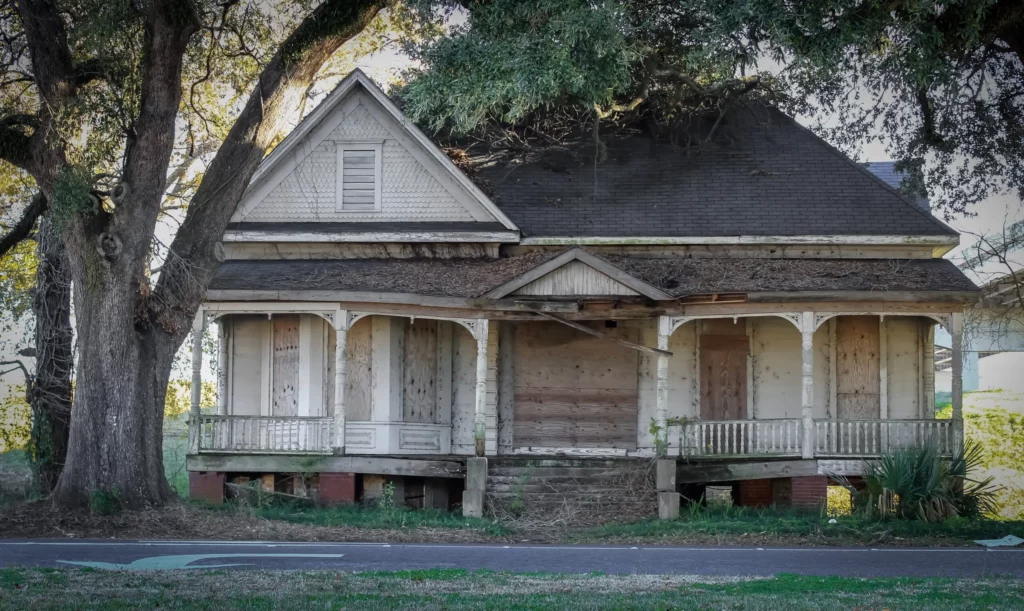
Before diving into the specifics of selling a fixer-upper, it’s important to understand what qualifies as one. A fixer-upper refers to a property that requires repairs, updates, or improvements before it is in prime condition. These homes are often priced lower than comparable properties in better condition due to the need for these repairs.
Key Characteristics of a Fixer-Upper:
- Outdated Interiors: This could include old appliances, worn-out flooring, outdated bathrooms, and kitchens in need of modernization.
- Structural Issues: These can range from minor foundation problems to significant issues with the roof, foundation, or framing.
- Plumbing and Electrical Problems: Fixer-uppers often require updates to plumbing and electrical systems to meet current safety standards.
- Cosmetic Damage: Cosmetic issues like peeling paint, damaged walls, or worn-out landscaping.
Why Sell a Fixer-Upper Instead of Renovating?
Selling a fixer-upper as-is can be an attractive option because:
- Time-Saving: Renovations can take months, and you might not have the time or energy for them.
- Cost-Effective: The cost of repairs could outweigh the increase in sale price.
- Cash Offers: Many cash buyers are specifically looking for fixer-uppers and are ready to buy quickly, often without needing repairs to be done.
Steps to Selling a Fixer-Upper in Skokie, IL
The process of selling a fixer-upper may differ slightly from selling a well-maintained home. Here are the key steps you’ll need to take to sell your fixer-upper in Skokie.
Step 1: Assess the Condition of Your Home
Before listing your home, it’s essential to get a clear understanding of its current condition.
Key Areas to Evaluate:
- Structural Issues: Check for cracks in the foundation, problems with the roof, or any signs of shifting or settling.
- Plumbing and Electrical: Old plumbing and wiring can be a dealbreaker for many buyers. Consider hiring a professional inspector for these systems.
- Cosmetic Updates: Are the paint, flooring, and fixtures outdated or damaged? These are often easy to fix but can make a big difference to buyers.
Table: List of Common Fixer-Upper Issues vs. Potential Repair Costs
| Issue | Estimated Repair Cost Range |
|---|---|
| Roof Repair | $5,000 – $10,000 |
| Plumbing Issues | $2,000 – $5,000 |
| Electrical Wiring | $3,000 – $7,000 |
| Cosmetic Updates | $1,000 – $3,000 |
Knowing these costs upfront will help you decide whether it’s worth making repairs before selling or if it’s better to sell as-is.
Step 2: Determine Your Home’s Value As-Is
Once you’ve assessed the condition of your property, it’s time to determine its market value. The value of a fixer-upper can vary significantly depending on location, size, and the extent of needed repairs.
How to Get a Home Valuation
- Hire a Professional Appraiser: An appraiser can give you a precise valuation based on the property’s condition and comparable sales in Skokie.
- Use Online Valuation Tools: Websites like Zillow, Redfin, and Realtor.com can give you a rough estimate, but keep in mind these tools might not account for your home’s specific issues.
The Impact of the Home’s Condition on Its Value
A home in need of significant repairs will generally be valued lower than a similar property that’s in move-in condition. However, a fixer-upper can still be attractive to buyers willing to invest in renovations.
Step 3: Decide If You Want to Make Any Improvements
One of the most common questions homeowners have when selling a fixer-upper is whether they should invest in repairs before selling.
Cost vs. Benefit Analysis
Some minor repairs can yield a higher return on investment, while major renovations might not offer the same payoff. For instance:
- Minor Fixes: Painting, replacing outdated light fixtures, or landscaping can increase your home’s value at a relatively low cost.
- Major Fixes: Significant repairs like foundation work or a new roof might not provide a return high enough to justify the expense.
When Minor Repairs Make Sense
If your home only needs cosmetic updates (like fresh paint, new carpets, or modernized kitchen fixtures), making these changes can be a relatively low-cost way to improve the property’s appeal. Buyers are often willing to pay a little more for a home with updated features.
When Major Renovations Aren’t Worth It
If your home requires major repairs, like a new foundation or plumbing overhaul, it might not be worth the cost. These repairs are expensive and often don’t provide a significant increase in sale price. In such cases, selling as-is may be the better option.
For a deeper understanding of the types of home improvements that give the best ROI, see this Home Remodeling ROI Report.
Step 4: Gather Documentation and Disclosures
When selling any property, it’s crucial to have all your documentation in order. For a fixer-upper, this may include:
- Property Title and Tax Records: Ensure the title is clear and there are no outstanding tax liens or issues.
- Repairs or Inspections Already Done: If you’ve made any repairs or had the home inspected, it’s essential to provide this information to buyers.
- Local Zoning and Code Violation Records: If there are any code violations or zoning issues, make sure you disclose these to buyers.
Being transparent about the home’s condition helps to build trust and avoid any potential legal issues down the line.
Best Ways to Sell a Fixer-Upper in Skokie, IL
There are several ways to sell a fixer-upper, each with its pros and cons. Let’s explore your options.
Option 1: Selling Through a Real Estate Agent
A traditional real estate agent can help market your fixer-upper, but you’ll need to weigh the benefits and drawbacks carefully.
Pros and Cons of Using an Agent
- Pros:
- Market expertise: Agents know how to price homes competitively.
- Negotiation skills: Agents can help you get the best deal.
- Cons:
- Agent fees: Agents usually charge 5-6% of the sale price, which can add up.
- Potential delays: Selling through an agent can take time, especially for a fixer-upper.
How to Choose the Right Agent for a Fixer-Upper Sale
Look for an agent who has experience working with homes in need of repairs. They will know how to market your property effectively and attract buyers who are willing to take on renovation projects.
Option 2: Selling Directly to Cash Buyers
One of the fastest ways to sell a fixer-upper is to sell to a cash buyer. Cash buyers are investors or companies who purchase homes as-is, often at a discount.
Why Cash Buyers Are Ideal for Fixer-Uppers
- Quick Closing: Cash sales often close in as little as 7-10 days.
- No Repairs Required: Cash buyers typically purchase properties without requiring any repairs to be made.
How Cash Buyers Evaluate Your Home’s Value
Cash buyers usually base their offer on the property’s condition and the estimated cost of necessary repairs. They will often make offers below market value to account for the cost of renovations.
Option 3: Listing on Online Platforms
You can also list your fixer-upper on real estate platforms like Zillow, Redfin, or even Craigslist. These platforms have large audiences, which can be beneficial if you’re looking to sell fast.
Best Platforms for Selling a Fixer-Upper
- Zillow and Redfin: Popular platforms that attract both homebuyers and investors.
- Craigslist: Can help you connect with cash buyers looking for fixer-uppers.
Tips for Listing Your Home Online
- Write an Honest Description: Be upfront about your home’s condition.
- Include Before and After Photos: If you’ve made any repairs or updates, include before-and-after photos to show potential buyers the improvements.
How to Price Your Fixer-Upper Home in Skokie, IL
Pricing a fixer-upper can be tricky. You want to make sure it’s priced competitively while accounting for the repairs it needs.
Pricing a fixer-upper can be tricky. You want to make sure it’s priced competitively while accounting for the repairs it needs.
Factors That Affect Pricing
- Location: The neighborhood in Skokie can greatly influence the sale price. Desirable areas might allow you to price your home a little higher, even if repairs are needed.
- Comparable Sales (Comps): Look at similar homes in your area that have sold recently. If possible, focus on fixer-uppers so you can get a better sense of what buyers are willing to pay.
- Condition of the Home: The extent of repairs needed will directly impact the price. Homes with only minor cosmetic issues can be priced higher than those requiring major structural repairs. However, keep in mind that buyers will likely factor in repair costs when determining their offer.
Price Range Expectations
In Skokie, the price range for fixer-uppers can vary widely based on factors like location, size, and condition. On average, homes in need of significant repairs can be priced at a 20-40% discount compared to homes in move-in condition. For example, a house that would typically sell for $300,000 in pristine condition might only fetch $180,000 to $240,000 as a fixer-upper.
To get an accurate idea of what your home can sell for, consult with a local realtor or appraiser who can provide a detailed market analysis based on comparable sales (comps) in your neighborhood.
Challenges When Selling a Fixer-Upper
While selling a fixer-upper can be a great way to move on from a property, it does come with some challenges. Here are a few common issues homeowners face and tips for overcoming them:
Common Issues Sellers Face
- Lowball Offers: Because cash buyers and investors often look for fixer-uppers to flip, they may offer significantly less than asking price. Be prepared for offers that are lower than your expectations.
- Limited Buyer Pool: Many buyers are looking for homes in move-in condition, meaning your pool of potential buyers will be smaller. This is especially true if the property needs significant repairs.
- Financing Challenges: Traditional homebuyers often have difficulty securing financing for fixer-uppers. Many banks are reluctant to provide loans for properties that are not in good condition, which can make it harder to sell through conventional routes.
How to Overcome These Challenges
- Expect Lower Offers: Be realistic about what your home is worth in its current condition. If you’re looking to sell fast, accepting a lower offer may be worth it.
- Sell As-Is to Cash Buyers: By selling to cash buyers, you can bypass the hurdles of financing and avoid low offers from traditional buyers.
- Highlight the Potential: If listing your home on the market, emphasize the potential of the property rather than its flaws. With the right vision, buyers can see the home’s true value after renovations.
Selling a Fixer-Upper in Skokie: Local Considerations
Selling a fixer-upper in Skokie, IL comes with some unique local factors that can affect the sale process. Let’s take a look at what you should keep in mind when selling in this area.
Skokie Housing Market Overview
Skokie is an attractive area with a mix of residential homes and access to amenities like shopping, dining, and public transportation. The Skokie housing market is fairly competitive, with homes selling at prices above the national average. However, fixer-uppers in Skokie tend to attract investors or buyers looking to purchase at a discount for renovation.
Key Trends in the Skokie Market:
- Increasing Demand for Renovated Homes: Buyers in Skokie are often looking for modern, renovated homes, so a well-done renovation can lead to a quicker sale.
- High Investor Activity: The area sees a lot of investment from homebuyers and developers who are interested in purchasing older homes and turning them into modern, updated properties.
Understanding Skokie Building Codes and Permits
Before selling, it’s important to be aware of local building codes and permits. If your fixer-upper has unresolved code violations or zoning issues, you’ll need to disclose these to potential buyers. Common issues in Skokie might include:
- Permitting Issues: Any work done without the necessary permits may require you to bring the property up to code before selling.
- Code Violations: Homes with code violations can be more challenging to sell, but cash buyers or investors may still be interested if the price is right.
Ensure you’re aware of any outstanding issues that could affect the sale. Local regulations are available through Skokie’s Building and Zoning Department, and they can help guide you through the process if you need to make updates before listing.
Should You Renovate Before Selling?
One of the most important decisions you’ll make when selling a fixer-upper is whether to renovate the property before putting it on the market. Here’s a breakdown of when renovations make sense and when they don’t.
When Renovations Make Sense
Some minor repairs and updates can boost your home’s sale price significantly. These are typically low-cost improvements that will make a noticeable difference:
- Paint: Freshly painted walls can brighten up a room and give it a clean, updated look.
- Flooring: Replacing old carpets or refinishing hardwood floors can make your home feel newer.
- Fixtures: Replacing outdated light fixtures, faucets, or cabinet hardware can make a big impact without breaking the bank.
- Landscaping: Improving the curb appeal by trimming the lawn, planting flowers, or adding a new walkway can make a strong first impression.
When Renovations Aren’t Worth It
If the property has significant structural issues or requires major repairs, it may not be worth investing in renovations before selling. Buyers purchasing a fixer-upper typically expect to do the heavy lifting themselves. In these cases, you may want to sell the property “as-is” to an investor or cash buyer who specializes in fixer-uppers.
For more tips on deciding whether to renovate or sell as-is, check out this guide on home renovation costs from This Old House, which provides an overview of when renovations are worth it.
Tips for Selling Your Fixer-Upper Quickly
If you’re looking to sell your fixer-upper fast, here are some strategies to help you get the best offer in the shortest amount of time:
How to Market Your Home Effectively
- List It on Multiple Platforms: Use multiple listing platforms such as Zillow, Realtor.com, and Craigslist to reach a larger audience.
- Be Transparent: Clearly describe your home’s condition in the listing. Buyers appreciate honesty and are more likely to make an offer if they know what to expect.
- Highlight the Home’s Potential: Show buyers what the home could look like after renovations. If possible, use online tools to create virtual renderings or provide inspiration photos.
How to Stage a Fixer-Upper (If Possible)
While staging a fixer-upper can be challenging, some simple steps can make the property more appealing:
- Declutter: Remove personal items and excess furniture to make the space feel larger.
- Clean Up: Even if repairs are needed, a clean house is more inviting. Clean floors, windows, and countertops to make a positive first impression.
- Brighten the Space: Open up curtains, add lamps, and ensure that rooms feel as bright and airy as possible.
Frequently Asked Questions About Selling a Fixer-Upper
Q. How long does it take to sell a fixer-upper?
The time it takes to sell a fixer-upper depends on factors such as location, condition, and how it’s priced. If you’re selling to a cash buyer, the sale could happen in as little as 7-10 days.
Q. Should I disclose all issues with the property?
Yes, it’s important to disclose all known issues with the property, especially if there are any code violations, structural problems, or other serious issues. This protects you legally and helps manage buyer expectations.
Q. Can I sell my fixer-upper without making any repairs?
Yes! You can sell your fixer-upper as-is to a cash buyer or investor. Many cash buyers specialize in purchasing properties in poor condition.
Q. How do cash buyers determine their offer price?
Cash buyers typically base their offers on the property’s current condition and the estimated cost of repairs. They often offer 50-70% of the home’s after-repair value (ARV), which is the estimated price the home could sell for after renovations.
Q. Is it better to sell a fixer-upper as-is or renovate it first?
It depends on the extent of the repairs needed. Minor cosmetic updates can provide a good return on investment, but major renovations might not yield enough of an increase in sale price to justify the cost. Selling as-is to a cash buyer is often quicker and more cost-effective.
Conclusion
Selling a fixer-upper in Skokie, IL can be a rewarding experience if you approach the process with the right strategy. Whether you decide to make minor repairs or sell the property as-is, understanding your options, pricing strategies, and how to market your home effectively is crucial to achieving a successful sale.
If you’re ready to sell your fixer-upper quickly and hassle-free, Chicagoland Property Solutions Inc is here to help. Our team specializes in buying homes in any condition, offering fair cash offers and a fast closing process. We understand that selling a home in need of repairs can be stressful, which is why we make the process as simple and straightforward as possible.
Contact Chicagoland Property Solutions Inc today to get a free, no-obligation cash offer for your fixer-upper and experience a smooth, efficient selling process. Let us help you move forward and get the best return for your property – without the hassle of repairs or lengthy negotiations.